What Nobody Tells You About Insulating Basement Walls in Ontario
Insulating Basement Walls in Ontario
Most people think fixing up a cold cellar just means putting some fluffy pink insulation against the concrete walls and covering it with drywall. The real secret about insulating basement walls in Ontario, Canada, is that treating an underground room like a regular upstairs bedroom always leads to trapped wetness, musty smells, and rotting wood.
Concrete acts like a giant sponge, constantly soaking up water from the damp dirt outside your foundation. Regular insulation blankets absorb this hidden water, creating a perfect dark place for mould to grow right behind your new walls. Stopping this water from ruining your home requires a solid air seal that sticks directly to the concrete surface.
Basement rooms need special building care because underground walls face heavy water pressure from the local soil. We started Fire Proofing Kings to fix these exact home issues with tough, safe insulation and fire protection setups.
Our team focuses on sealing up your home so your rooms stay warm during freezing winters and dry during wet summers. Renting cheap tools or buying basic store materials often makes you fail local city home inspections. Experts know how to look at your walls, stop water risks, and put up thick, safe thermal barriers.
Why Concrete Foundation Walls Soak Up Water
Concrete looks totally solid, but it actually has millions of tiny holes that pull water inward from the damp ground. Heavy rain and melting snow force ground wetness right through your foundation walls. This water movement happens all the time, even if you never see puddles on your floor.
Regular plastic sheets placed on the wrong side of the wall trap this wetness inside the wood frame. The trapped water turns into drops against the cold concrete, soaking the wood studs and soft insulation pads. Ruined wood frames cause walls to sag and lead to expensive mould cleanup bills later on.
What are the Main Risks of DIY Basement Insulation?
Amateur insulation jobs often cause bad structural damage because homeowners use materials meant for upstairs rooms.
- Trapped Wall Wetness: Putting regular plastic over fluffy insulation traps seasonal water inside the wall frame, causing hidden wood rot.
- Air Leak Gaps: Leaving small spaces at the top of the foundation wall lets cold winter air freeze your indoor water pipes.
- Insulation Sagging Problems: Heavy underground dampness causes loose insulation batts to sag over time, leaving big cold spots.
- Easy Bug Entry: Soft insulation blankets give mice, ants, and spiders a warm place to nest when they crawl through wall cracks.
Insulating Basement Walls in Ontario, Canada: Best Materials and Methods
Choosing the right product depends on how much water protection your foundation walls need. Continuous insulation setups work best because they stop cold spots and block air movement completely.
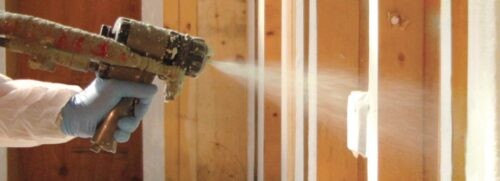
- Closed-Cell Spray Foam: This liquid spray expands into a hard, waterproof shield that sticks tightly to bumpy stone or concrete walls.
- Rigid Foam Boards: These stiff foam panels fasten straight to smooth concrete walls, creating a reliable, flat heat barrier.
- Special Plastic Anchors: Tough plastic fasteners hold rigid boards tight against the wall without ruining the outside waterproofing layers.
- Heavy-Duty Tapes: Strong tape seals every single seam between the foam boards to stop hidden indoor drafts.
Why Do Old-Style Insulation Blankets Fail Underground?
Fluffy insulation needs trapped air inside its loose fibers to stop heat from escaping. Moving air passes right through these loose fibers, carrying warm indoor air toward the freezing concrete wall. The wetness turns into water drops the moment it touches the cold wall, making the wet insulation completely useless.
Wet insulation loses its power to keep a room warm, forcing your furnace to run much longer to heat the house. Fixing damaged insulation means tearing your finished drywall down and starting the whole project over from the beginning. Rigid foam products keep their full strength even when exposed to high underground dampness.
Frequently Asked Questions About Underground Insulation
Q – Can I leave spray foam exposed on my basement walls?
A – Local building rules strictly forbid leaving spray foam uncovered in any living area. Property owners must cover the foam with a safe barrier, like regular drywall or a special fireproof spray coating.
Q – How do I stop basement ice dams along the top joists?
A – Air leaks around the floor edges let warm indoor air escape, melting snow on your lower roof lines. Sealing these edge zones with expanding foam stops the air leak and prevents dangerous ice buildup on your roof.
Q – Should I insulate my basement floor before finishing it?
A – Cold concrete floors steal heat from your feet and lower the whole room temperature. Putting stiff foam boards under your subfloor wood sheets creates a break that keeps your basement living space much warmer.
Q – Is it safe to insulate old stone walls from the inside?
A – Bumpy stone walls need flexible, expanding foam that fills uneven shapes without leaving hidden empty spaces. Closed-cell spray foam fills these deep mortar cracks perfectly, strengthening the old wall while blocking damp ground wetness.
Booking Your Home Project with Fire Proofing Kings
Getting a perfectly dry, warm basement requires matching great heat sealing with certified fire safety standards. We offer professional spray foam work, code-safe thermal barriers, and neat fireproofing for homes across the area.
Our experienced crews use top materials to wipe out cold drafts while protecting your walls from water damage. Homeowners can reach out to Fire Proofing Kings through our online site to book an on-site wall check and get a clear project cost estimate.