Why is Blown-in Insulation Important for Vaughan Homes During Ontario Winters?
Blown-in Insulation is Important for Vaughan Homes
This becomes especially noticeable during winter in Vaughan. When outdoor temperatures drop and cold winds move through the Greater Toronto Area, a poorly insulated attic, wall, garage, or other area can make it difficult to maintain a comfortable indoor temperature. The heating system may need to work harder, while homeowners continue to feel cold spots inside the house.
Blown-in insulation can help address these problems by filling areas where heat can escape and cold air can enter. At Fire Proofing Kings, we provide insulation services for homes and properties across Vaughan and other GTA communities. Our professionals assess the area first and determine where insulation may be needed.
What Will This Blog Explain?
- How blown-in insulation works
- Why Vaughan homes have specific insulation needs
- Where blown-in insulation can be installed
- How insulation can help with winter comfort
- Why older and newer Vaughan homes may need insulation
- What homeowners should consider before installation
What is Blown-In Insulation?
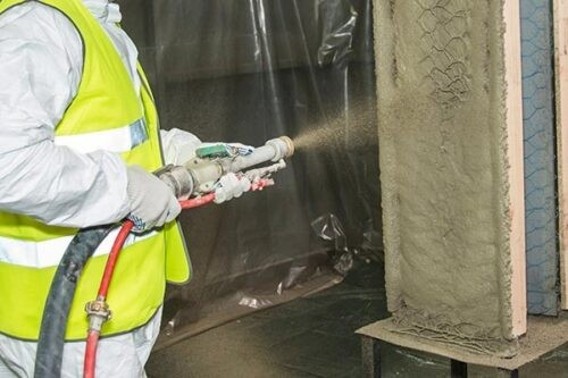
Blown-in insulation is an insulation method where loose insulation material is blown into selected areas using specialized equipment. Instead of installing large rigid pieces, the material can be distributed across spaces and around difficult areas.
This makes it useful for locations where insulation needs to cover irregular spaces, gaps, and areas that are difficult to reach using traditional methods.
For homeowners, one of the major benefits is coverage. Properly installed insulation can help create a more consistent thermal barrier between the indoor living space and outdoor conditions.
Fire Proofing Kings assesses the property before recommending the appropriate insulation approach. The location, existing insulation, access, and condition of the area can all affect the installation process.
Why Does Vaughan Make Insulation More Important?
Vaughan experiences the same demanding Ontario winters that affect much of the GTA. Cold temperatures, strong winds, snow, and changing weather conditions can place additional pressure on residential heating systems.
Homes in Vaughan also vary considerably. The city includes newer developments as well as older properties that may have insulation systems installed many years ago. The age and construction of a home can affect how effectively it retains indoor heat.
A home may appear well insulated from the outside while still having areas where insulation is missing, compressed, or insufficient. Attics are particularly important because warm air naturally rises. If the upper part of a home does not have adequate insulation, heat can escape through the roof structure.
This is one reason homeowners may want to inspect insulation before another harsh winter arrives.
Where Can Blown-In Insulation Be Installed?
Blown-in insulation can be considered for several areas of a property depending on its construction and insulation requirements.
Attics
Attic insulation is one of the most important areas to consider. Since warm air rises, insufficient insulation in an attic can contribute to heat loss during winter. Proper insulation can help create a stronger barrier between the heated interior and the cold outdoor environment.
Walls
Wall cavities can also contribute to unwanted heat transfer when insulation is missing or inadequate. Blown-in methods may provide a practical option for certain wall structures, depending on access and existing conditions.
Garages
An attached or enclosed garage can affect the temperature of nearby living areas. Garage insulation can help reduce the impact of outdoor temperatures and may make the space more comfortable during colder months.
Crawl Spaces and Other Areas
Certain homes may also have crawl spaces or other difficult-to-access areas where insulation needs attention. A professional assessment can help identify these locations before installation begins.
Could Older Vaughan Homes Need More Insulation?
Older homes can have different insulation requirements from newer construction. Insulation may have settled, become damaged, or simply not meet the needs of modern homeowners.
Renovation work can also expose insulation problems. Walls may be opened, ceilings may be changed, or previously inaccessible areas may become visible. These situations provide an opportunity to inspect existing insulation and determine whether additional work is necessary.
Homeowners should not assume that an older property needs complete insulation replacement. The actual condition should be assessed first.
Can Blown-in Insulation Help During Vaughan Winters?
Proper insulation can help reduce unwanted heat transfer between the home and the outdoors. During winter, this means it can help retain more of the heat produced by the heating system.
A properly insulated home may also have fewer noticeable cold areas. Rooms near poorly insulated walls, ceilings, or other sections can sometimes feel colder than the rest of the house.
Insulation is not a replacement for a properly functioning heating system. Instead, it works as part of the home’s overall thermal envelope.
This is particularly useful in Vaughan, where homeowners may rely heavily on heating systems during extended periods of cold weather.
Why Should Vaughan Homeowners Consider Professional Installation?
Insulation performance depends on more than simply adding material. The area needs to be assessed properly before installation. Existing insulation, moisture concerns, access, ventilation, and the condition of the surrounding structure can all matter.
Professional installation can also help ensure that insulation is distributed appropriately throughout the intended area.
At Fire Proofing Kings, we look at the property before beginning the work. Our goal is to understand where insulation is needed and what approach is suitable for the specific property.
What Should Homeowners Check Before Installing Blown-in Insulation?
Before installation, homeowners should consider a few important factors.
- The condition of existing insulation
- Areas where cold spots are noticeable
- Attic insulation levels
- Wall and garage insulation
- Moisture or ventilation concerns
- The age and construction of the property
- Areas that may be difficult to access
Identifying these factors early can help homeowners understand whether additional insulation may be useful and which parts of the property should receive attention.
Keep Your Vaughan Home Better Protected From Winter Cold
Vaughan homeowners cannot control the temperature outside, but they can pay attention to how effectively their homes retain indoor heat. Insulation plays an important role in that process. Attics, walls, garages, and other areas should have suitable insulation based on the property’s construction and requirements.
Fire Proofing Kings provides blown-in insulation services in Vaughan and across the Greater Toronto Area. Our professionals assess the property and identify areas where insulation may be needed. We also provide insulation services for other GTA locations, including Toronto, Mississauga, Whitby, and East Gwillimbury.
If your home feels unusually cold during winter or you are concerned about insufficient insulation, a professional assessment can help you understand the next step.
Talk to Fire Proofing Kings About Blown-In Insulation
Is your Vaughan home prepared for another Ontario winter? Fire Proofing Kings can assess your insulation needs and discuss suitable options for your property.
Whether you are concerned about an under-insulated attic, cold walls, a garage, or another area of the home, our team can help identify where insulation may be required.
Fire Proofing Kings provides professional insulation and fireproofing services across Vaughan, Toronto, and the GTA. Contact us today to discuss your blown-in insulation requirements and schedule an assessment for your property.
Frequently Asked Questions (FAQs)
- Is blown-in insulation suitable for Vaughan homes?
Blown-in insulation can be suitable for many Vaughan properties, depending on the home’s construction and the area requiring insulation. It can be useful for attics, walls, and other spaces where loose insulation can provide coverage. A professional assessment can determine whether it is appropriate for a specific property.
- Why is attic insulation important during Vaughan winters?
Heat naturally rises, which makes the attic an important part of a home’s thermal envelope. If the attic has insufficient insulation, more indoor heat can escape through the upper part of the home. Proper attic insulation can help the house retain heat and maintain a more consistent indoor temperature.
- Can blown-in insulation be added to an existing home?
In many cases, additional insulation can be installed in an existing property. However, the condition of the current insulation and the construction of the area should be assessed first. The appropriate method depends on accessibility, existing materials, and the insulation requirements of the property.
- Does blown-in insulation help reduce heating costs?
Proper insulation can help reduce unwanted heat loss, which may allow a heating system to operate more efficiently. Actual energy savings depend on the property’s existing insulation, size, heating system, air leakage, windows, and other factors. Insulation should be considered as part of the home’s overall energy performance.
- Can garage insulation be useful in Vaughan?
Garage insulation can be useful, particularly when the garage is attached to the home or located beside living areas. It can help reduce the effect of outdoor temperatures on the garage and surrounding spaces. The insulation requirements depend on the garage construction and how the space is used.
- How do I know if my Vaughan home needs more insulation?
Cold rooms, uneven indoor temperatures, an under-insulated attic, or noticeably high heating requirements may indicate that insulation should be inspected. These signs do not automatically mean insulation is the problem. A professional assessment can help identify whether insufficient insulation is contributing to the issue.