Why Does Your Toronto Basement Feel Cold Even in Summer?
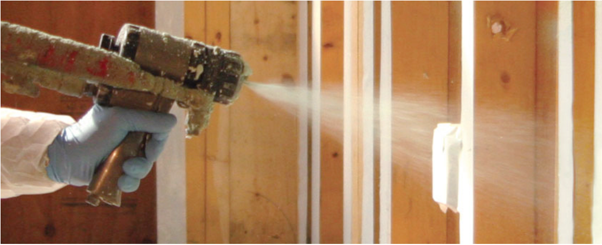
A cold basement during summer can feel strange, but it happens for several reasons. We often see basements stay cooler because they sit below ground level. Concrete walls and floors can hold onto cooler temperatures for longer. Poor insulation can make the difference even more noticeable. With suitable basement insulation in Toronto, we can help reduce unwanted temperature changes and make the space more comfortable.
At Fire Proofing Kings, we know that every basement has different needs. Some basements feel cold because of poor insulation. Others have drafts, moisture, or gaps around windows and pipes. Finding the real cause helps us recommend the right approach.
Why Does Your Basement Stay Cold During Summer?
Basements naturally tend to stay cooler than upper floors. Much of the space sits below ground level. Soil around the foundation can remain cooler than summer air. Concrete foundation walls can also hold that cooler temperature. When warm outdoor air enters the basement, it can meet these cold surfaces.
The result can be a basement that feels chilly. The floor may feel especially cold under bare feet. Some areas may also feel colder than others. We should also consider how the basement is being used. A finished family room has different comfort needs than an unfinished storage area.
Could Your Foundation Walls Be Making the Basement Colder?
Foundation walls can play a major role in basement temperatures. Concrete transfers temperature between the soil and your basement. During summer, the surrounding ground can remain cooler. That coolness can move through foundation walls and floors. Without enough insulation, this temperature transfer can become more noticeable. The basement may then feel much colder than the rest of your home. We look at foundation walls when assessing basement comfort. Their condition, insulation, moisture levels, and construction can all affect the right solution.
Is Poor Insulation Making the Problem Worse?
Insulation helps slow temperature movement between different areas. Without enough insulation, outdoor and ground temperatures can affect indoor spaces more easily. A poorly insulated basement can feel cold in summer and winter.
You may notice the problem around exterior walls, floors, and corners. Insulation does not create warmth by itself. Instead, it helps control how quickly heat moves through building surfaces. We consider this when planning insulation work. The goal is to create a better barrier between the basement and surrounding conditions.
Does Moisture Have Anything to Do With a Cold Basement?
Moisture can affect how comfortable a basement feels. Damp areas may feel colder than dry areas. Water can enter through foundation cracks, windows, floor joints, or other areas. Poor drainage around the home can also contribute to basement moisture. We never recommend covering a moisture problem with insulation.
The source should first be identified and addressed. Damp insulation can also lose effectiveness. It may no longer perform as expected. A proper assessment helps us determine whether moisture needs attention before insulation work begins.
Could Poor Insulation Affect the Rest of Your Home?
A basement does not exist separately from the rest of the house. Its temperature can influence comfort throughout nearby areas. Cold basement walls and floors can affect rooms directly above them. Temperature differences may also become noticeable around stairways and basement ceilings.
We consider how the basement connects with the rest of the home. Air movement between levels can affect comfort. Basement insulation in Toronto can help create a better thermal barrier. The right installation can reduce unwanted temperature movement between the basement and other areas.
Should We Insulate the Basement Ceiling?
Basement ceiling insulation can make sense in certain homes. It can help separate the basement from the living space above. This approach may be useful when the basement remains unfinished. It can also help reduce temperature transfer between levels.
However, the best insulation location depends on the home’s design. Foundation walls may need attention instead. We assess the basement before choosing where insulation should go. This prevents homeowners from spending money on work that does not address the main issue.
How Can We Make a Cold Basement More Comfortable?
We can start by finding the source of the cold feeling. Insulation may be the answer, but we should not assume that immediately. We can inspect walls, floors, windows, doors, and accessible areas. We can also look for drafts and signs of moisture.
The right solution might involve insulation, air sealing, or several improvements together. We also consider how you use the basement. A bedroom needs different comfort levels than a storage room. This practical approach helps us focus on the actual problem.
Is Basement Insulation Worth Considering in Toronto?
Toronto homes experience significant seasonal temperature changes. A basement that feels cool in summer may feel much colder in winter. Improving insulation can help reduce unwanted temperature movement. It can also make basement areas more comfortable throughout the year.
We should still consider the entire basement before starting work. Moisture, air leaks, windows, and existing insulation all matter. Good planning can help avoid unnecessary work. It can also help us select suitable insulation products for the space.
A Warmer Basement Starts With Finding the Real Cause
A basement can feel cold during summer for several reasons. Ground temperatures, concrete walls, poor insulation, drafts, windows, and moisture can all contribute. We do not recommend treating every cold basement the same way. First, we need to understand what is happening inside the space.
At Fire Proofing Kings, we assess basement conditions before suggesting insulation work. We consider existing insulation, foundation walls, air leaks, moisture, and the way you use the space. For homeowners considering basement insulation in Toronto, this assessment can help identify suitable products and installation options. The right insulation can create a stronger barrier against unwanted temperature movement.
Ready to Take a Closer Look?
If your basement feels unusually cold this summer, we can help you investigate why. Fire Proofing Kings can assess your basement and discuss suitable insulation services. Contact us to discuss your basement, insulation concerns, and available options. We can help you decide what makes sense for your home.
Frequently Asked Questions
- Q – Why is my Toronto basement cold during summer?
A – Basements naturally stay cooler because they sit below ground level. Concrete walls and floors can hold cool temperatures. Poor insulation, air leaks, and moisture can make the problem more noticeable. Basement insulation in Toronto may help reduce unwanted temperature movement when insulation is part of the issue. - Q – Can basement insulation make a basement warmer?
A –Yes, suitable insulation can help reduce heat movement through walls, floors, and ceilings. It does not produce heat itself. Instead, it helps the basement maintain a steadier temperature. We first check the space to determine which surfaces need insulation and whether other issues require attention. - Q – Should we fix moisture before adding basement insulation?
A – Yes, we should identify moisture problems before installing insulation. Water can affect insulation performance and surrounding building materials. We check for signs of dampness, leaks, and condensation first. Addressing the source can help protect the insulation and support better long-term basement conditions. - Q – What areas should we insulate in a basement?
A – The best areas depend on the home’s construction and basement design. Foundation walls, ceilings, floors, and specific problem areas may need attention. We assess the space before recommending insulation. This helps us choose suitable products and avoid adding insulation where another issue needs attention first.