Toronto Homes Are Switching to Blown-In Insulation—Here’s Why
Why Toronto Homes Are Switching to Blown-In Insulation?
The wind howls across Lake Ontario and pushes through every microscopic crack in your brickwork. Your furnace kicks on for the tenth time in an hour. You start to wonder where all that expensive heat is actually going. Many neighbours are finding answers in their attics.
A massive shift is happening as people upgrade to blown-in insulation in Toronto to counteract rising energy costs and erratic weather patterns.
Old fibreglass batts simply cannot compete with modern technology. Most houses in the GTA were built with insulation standards that are now considered obsolete. Fire Proofing Kings sees this daily while inspecting older properties in Cabbagetown or North York. We find that traditional blankets leave too many gaps for heat to escape. Switching to a seamless loose-fill system changes the entire thermal dynamic of a building.
Why The Hose Beats The Roll
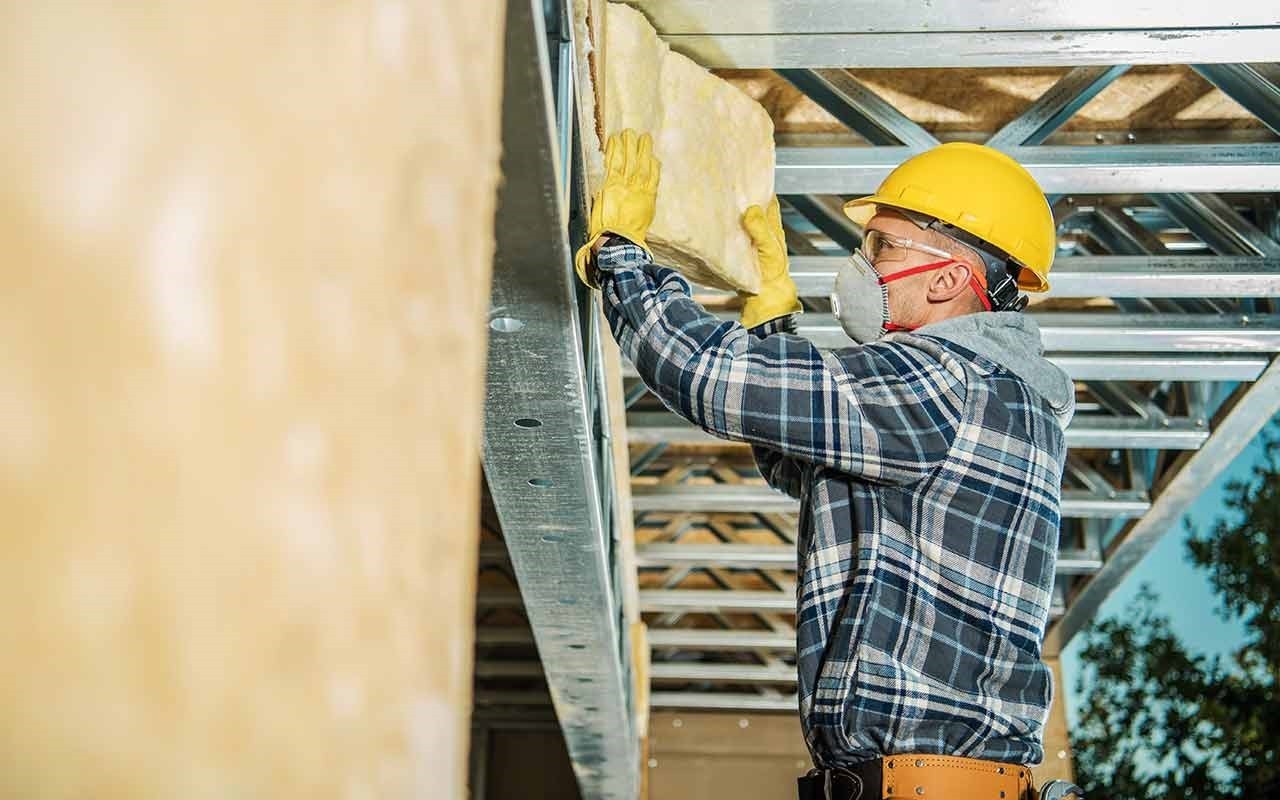
Blown-in systems use a powerful machine to shred material and spray it through a long hose. This process creates a thick and even blanket that flows over every obstruction. It reaches into the tight eaves where a human cannot easily crawl. It buries wires and seals around pipes without leaving a single breath of space for drafts.
Density is the secret to this success. The material settles into a tight pack that stops air movement much better than loose blankets. You get a consistent R-value across every square foot of the ceiling. This uniform protection is why so many people are investing in blown-in insulation in Toronto right now. It provides a level of coverage that manual installation can never match.
Cellulose Versus Loose-Fill Fibreglass
Cellulose is made from recycled newspapers treated with borates. It is very dense and offers fantastic fire resistance. It also deters pests because rodents do not like the texture or the mineral treatment. It has a higher R-value per inch than most other loose options. Many eco-conscious homeowners prefer it because it repurposes waste material.
Loose-fill fibreglass is another popular choice for local attics. It is made from spun glass and does not settle as much over time. It is naturally fireproof and does not absorb moisture. Both materials are excellent for the Ontario climate. We help you choose the one that fits your specific roof structure and budget.
The Hidden Danger Of Blocked Vents
Adding more material is not the only step. Your roof needs to breathe to stay healthy. Many DIY projects fail because people cover their soffit vents with insulation. This traps moisture and leads to roof rot or ice dams in the winter. Professional installers use baffles to keep the air channels open.
Proper airflow keeps the roof deck cool. This prevents snow from melting and refreezing at the gutters. Ice dams can tear off shingles and cause leaks inside your walls. A balanced attic has both a thick thermal layer and a clear path for ventilation. It is a delicate science that requires an experienced eye.
Impact On Your Monthly Bills
Heating a home in the GTA is becoming more expensive every year. Reducing your energy consumption is the most effective way to fight these costs. Most homeowners see a drop of twenty percent or more on their gas bills after an upgrade. The project often pays for itself through these savings in a few seasons.
Your air conditioner will also thank you in July. Toronto summers are notoriously humid and hot. An uninsulated attic can reach temperatures above fifty degrees Celsius. That heat radiates downward and makes your AC run constantly. A thick layer of blown-in material keeps that summer heat outside.
Checking Your Own Attic Depth
You can do a quick check today with a simple ruler. Climb to your attic hatch and look at the floor. If you see the tops of the wooden joists, you definitely need more material. Current standards recommend at least fifteen to eighteen inches of coverage. Most older homes have less than six inches.
Look for dark spots on the existing material. This usually indicates that air is leaking through and filtering dirt. It is a sign that your house is breathing through the ceiling. If the insulation looks flat or crusty, its thermal days are likely over. It is time to consider a professional top-up.
Long-Term Value For Your Property
Energy efficiency is a major selling point in the current real estate market. Potential buyers always ask about utility costs and the age of the roof. Having a certificate or proof of a recent attic upgrade adds tangible value to your home. It shows that the property has been cared for properly.
A well-protected attic also extends the life of your shingles. Excessive heat from inside can bake your roof from the bottom up. By keeping the attic at a stable temperature, you prevent the shingles from curling and cracking prematurely. It is a win for your comfort and your home equity.
Why Fire Proofing Kings Is The Right Choice
Experience matters when you are messing with the thermal envelope of a house. Fire Proofing Kings understands the unique architecture of local buildings. We ensure that every corner is covered and every vent remains functional. Our focus is on safety and long-term performance for every client.
We use high-grade equipment to ensure the material is fluffed to the correct density. This prevents the product from settling too quickly and losing its R-value. Our team takes the time to seal air leaks before we start blowing. This extra step is what makes our blown in insulation in Toronto services stand out from the rest.
Frequently Asked Questions
Can I blow new insulation over my old fibreglass batts?
Yes, you can usually add new material over old stuff if it is dry and free of mould. The new loose-fill will settle in the gaps around the old batts. This creates a much better seal than the blankets could provide on their own.
How long does blown-in insulation actually last?
Most modern products are designed to last for several decades. Cellulose can settle a bit in the first few years, but it maintains its thermal properties. Fibreglass stays fluffy for a long time. You should check the levels every ten years to ensure everything is still in place.
Is the material used in attics flammable?
No, the materials we use are treated with fire retardants. Cellulose is specifically processed to resist flames and can actually slow down a fire. Fibreglass is made of glass and does not burn. Safety is a primary focus for any material we put into your home.
Will this help stop ice dams on my roof?
Yes, ice dams happen when heat escapes the attic and melts snow on the shingles. That water then freezes at the cold edge of the roof. By keeping the heat inside the house, your roof stays at a uniform temperature. This prevents the melt and freeze cycle.
Conclusion
The move toward more efficient homes is a necessity in our changing climate. Stopping heat loss at the highest point of your house is the smartest investment you can make this year.
It protects your family from the cold and your wallet from rising energy prices. Fire Proofing Kings specializes in these vital upgrades for homeowners across the GTA. We provide a thorough approach that combines deep insulation with proper air sealing and ventilation. Reach out to Fire Proofing Kings to see how a modern attic can change your home for the better.