How Basement Insulation Impacts Heating Costs in Ontario
In many homes across Ontario, the basement acts as a giant thermal drain. Warm air that you pay dearly for through your furnace often disappears into the cold earth surrounding your foundation. While you might focus on windows or attic hatches, the concrete walls below your feet are frequently the biggest culprits of heat loss.
When you think about insulating a basement in Ontario, you are looking at a project that does more than just make the floor less chilly. It creates a thermal envelope that keeps your HVAC system from running in circles. By trapping heat inside the living space, you effectively lower the demand on your energy source and put money back into your pocket every single month.
The Science of Heat Loss Below Grade
Concrete is a fantastic conductor of heat, which is exactly what you don’t want in a Canadian winter. Outside, the soil stays at a relatively low temperature, and your basement walls are in constant contact with that cold mass.
Heat naturally moves from warm areas to cold ones, meaning your heated indoor air is constantly trying to “warm up” the frozen ground through your foundation. This process is known as thermal bridging. Without a barrier, your walls act like a radiator in reverse, sucking energy out of the house. Most experts agree that an uninsulated basement can account for up to 25% or 30% of a home’s total heat loss.
Slashing Your Monthly Energy Bills
The most immediate benefit of adding proper insulation is the drop in your utility statements. Homeowners in the Greater Toronto Area and beyond often see a reduction in heating costs of 15% to 20% after a professional upgrade. Because the basement is no longer a frozen void, your furnace doesn’t have to fire as often to maintain the temperature on the main floor.
This isn’t just a winter perk; in the summer, that same insulation keeps the humid Ontario heat from penetrating your cool basement. You save on both ends of the year, leading to a return on investment that usually pays for itself in just a few seasons.
Why Air Sealing Matters as Much as R-Value
Many people obsess over the R-value of their materials but forget about air leakage. Tiny gaps where the wooden frame of your house meets the concrete foundation—known as the rim joist—are notorious for letting in drafts.
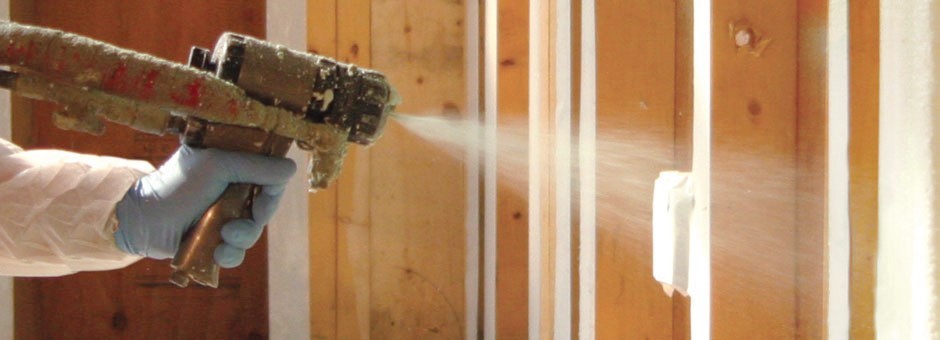
If you have a high R-value but haven’t sealed these gaps, it is like wearing a thick wool sweater in a windstorm without a windbreaker. Modern methods like spray foam are popular because they expand to fill these crevices, creating an airtight seal. Stopping the literal flow of cold air is often the most cost-effective step in the entire renovation process.
Comfort Levels on the Upper Floors
We often treat the basement as a separate entity, but the air in your home is all connected. Due to the “stack effect,” cold air from the basement is drawn upward into your kitchen and living rooms as warm air rises and escapes through the attic.
If your basement is a freezing cavern, your feet on the main floor will always feel cold, no matter how high you turn up the thermostat. Insulating the basement walls and headers stabilizes the temperature of the entire structure. It eliminates those annoying cold spots and creates a more balanced environment where you don’t need to wear a parka inside your own house.
Key Factors in Energy Savings
To maximize the impact on your wallet, you need to look at the project as a complete system. Missing one small area can undermine the efficiency of the whole room.
- Full Wall Coverage: Insulating from the ceiling down to the floor slab ensures there are no “weak links” in the thermal chain.
- Rim Joist Sealing: This is the area above the foundation wall where the most air leakage occurs.
- Vapour Barrier Integration: Preventing moisture from reaching the insulation keeps the material dry and effective.
- Slab Insulation: If you are doing a full renovation, adding a thermal break under the floor can stop heat from escaping into the dirt below.
The Moisture Connection to Energy Efficiency
Wet insulation is useless. In fact, materials like fiberglass lose almost all their thermal resistance if they become damp from foundation seepage or condensation. In Ontario, the high humidity levels mean that moisture control is a vital part of the energy-saving equation.
Using materials that resist water, such as closed-cell foam or mineral wool, ensures that the R-value stays consistent year after year. If your insulation gets soggy, it can also lead to mould growth, which creates an entirely different and much more expensive set of problems to solve.
Boosting Your Home’s Market Value
Energy-efficient homes are in high demand across the province. When a potential buyer sees a finished, well-insulated basement, they see lower future carrying costs. It is a tangible upgrade that shows the home has been well-maintained and “future-proofed” against rising energy prices.
Most home inspectors will now check for proper insulation levels during a sale, and having a documented professional install can be a massive selling point. It transforms the basement from a “storage area” into a “living area,” effectively increasing the functional square footage of the property.
Smart Strategies for Maximum Efficiency
If you want the best results, you have to choose the right tools for the job. Not every basement is the same, and the age of your home will dictate the best approach.
- Use Continuous Insulation: Avoiding gaps between studs prevents thermal bridging through the wood itself.
- Upgrade the Windows: Even the best walls can’t compensate for a single-pane basement window that lets in a gale.
- Monitor Humidity: Use a dehumidifier to keep the air dry, which makes the space feel warmer and prevents the HVAC from working harder.
- Professional Assessment: A thermal camera can show exactly where heat is escaping so you don’t waste money on areas that are already performing well.
The Long-Term Financial Outlook
While there is an upfront cost to any home improvement, insulating your basement is one of the few projects with a guaranteed financial return. Between the lower monthly bills and the increased property value, the project eventually pays you back. In a province where winters can last for five or six months, the savings add up quickly.
It is an investment in your own comfort and your home’s health. By stopping the energy drain at the source, you take control of your indoor climate and stop literal dollars from flying out through the foundation.
Get in Touch Today!
A warmer, more efficient home starts from the ground up. Fire Proofing Kings specializes in high-performance applications that protect against heat loss and safety risks simultaneously. We use advanced techniques to ensure that every corner of your foundation is sealed tight against the harsh Ontario elements.
The team at Fire Proofing Kings takes a comprehensive view of your property, focusing on long-term durability and immediate energy savings. By partnering with us, you receive a solution tailored to the unique structure of your home. We are dedicated to providing the highest level of craftsmanship to ensure your basement becomes a comfortable, cost-saving asset for your family.